

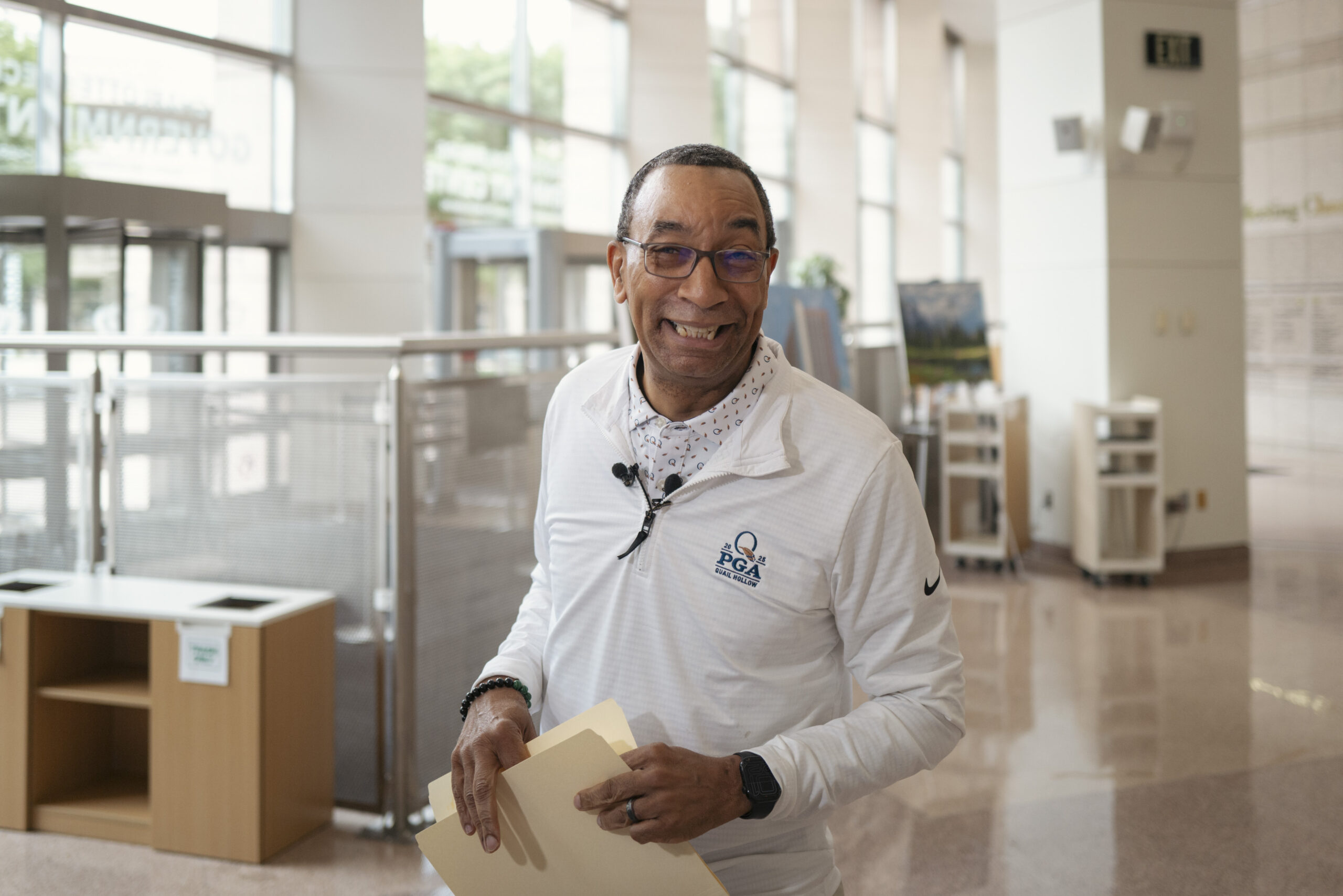
Government meetings typically aren’t a photographer’s dream assignment.
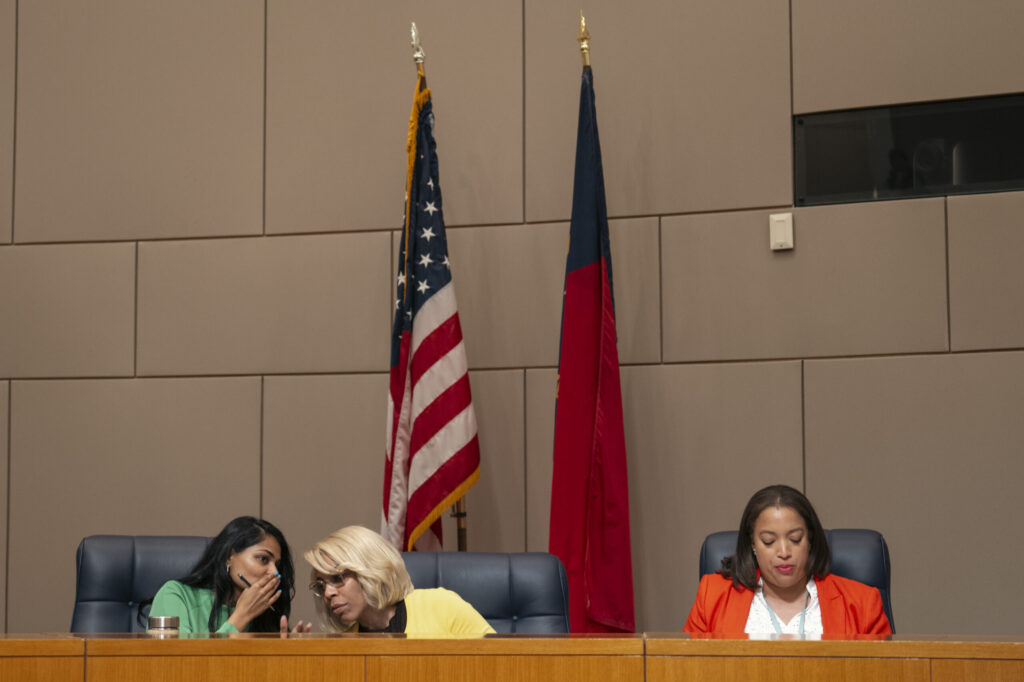
People sitting around a table in business attire, talking for three and four hours on end about motions and substitute motions behind a brown dais, aren’t as visually gripping as, say, sunrises with a football team or passionate protests.
But Logan Cyrus can find humanity in strange places. And our city’s government officials are actually three-dimensional characters — they’re funny and frustrating, they’re moms and dads, and they range in age from 20s to 70s. Together they can be a hot mess, but like it or not, they’re our hot mess.
Besides, governing is inherently a messy practice. In fact, in America, the mess is kind of the point.
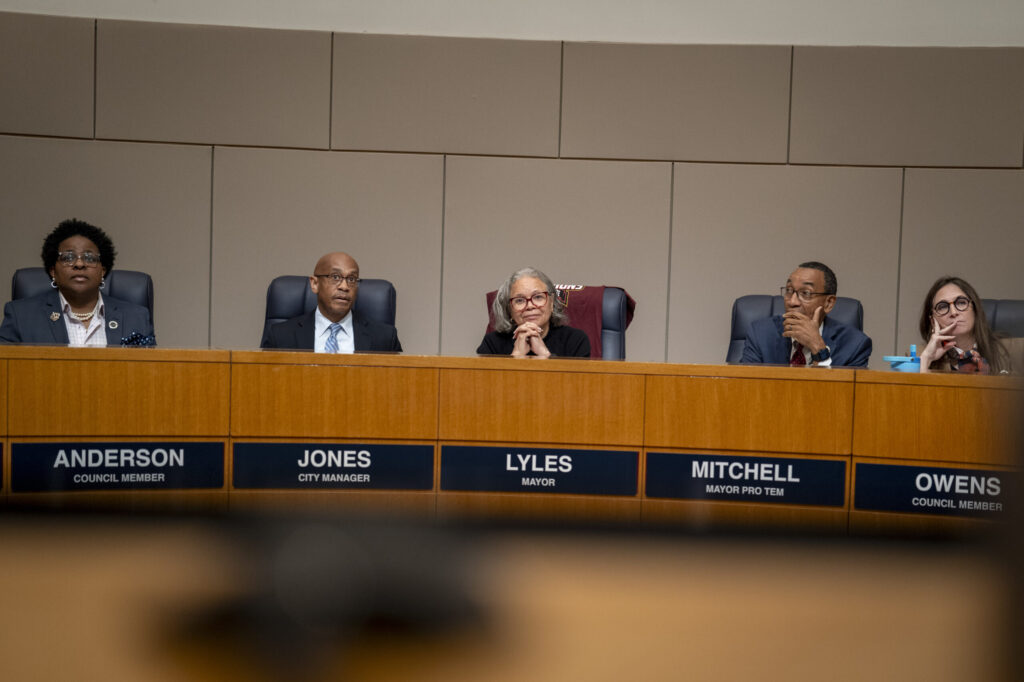
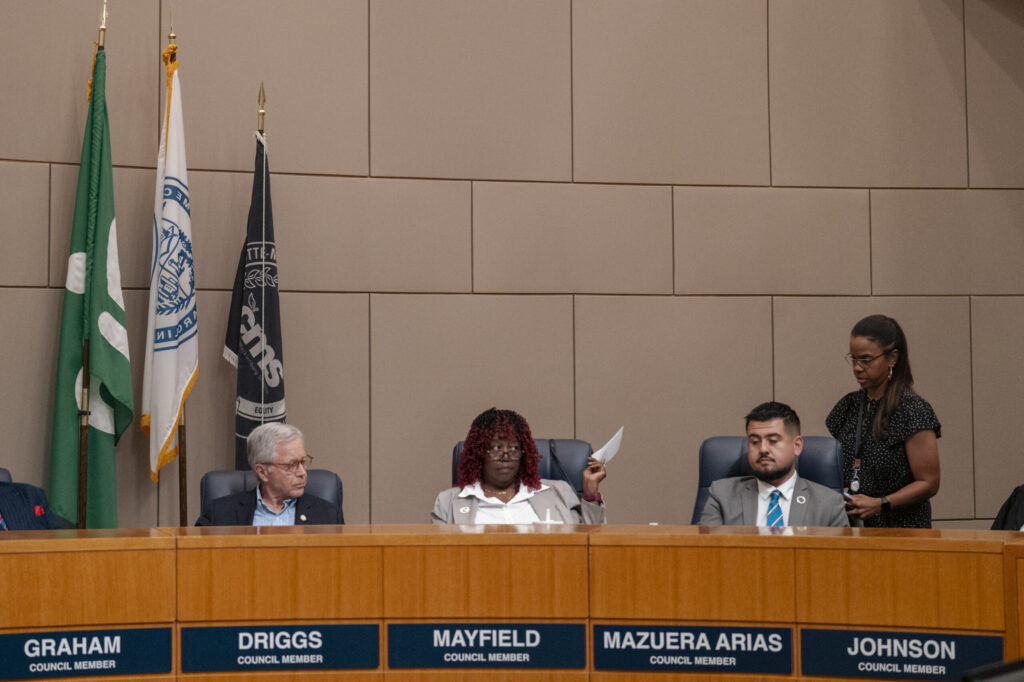
The past six months, in particular the past eight weeks, will go down as one of the wildest stretches in memory for local governance. City council dealt with and shot down the I-77 toll lanes, put a moratorium on data centers, and processed a historic mayoral change after Vi Lyles announced her resignation on May 8. It was a lot to digest even for seasoned council members. And it left the three first-term members — J.D. Mazuera Arias, Joi Mayo, and Kimberly Owens — wondering at times if it’s always this way.
“I told J.D. and Joi, I hope this first term is remembered by all three of us as the absolute nadir of our time,” Owens told me last month.
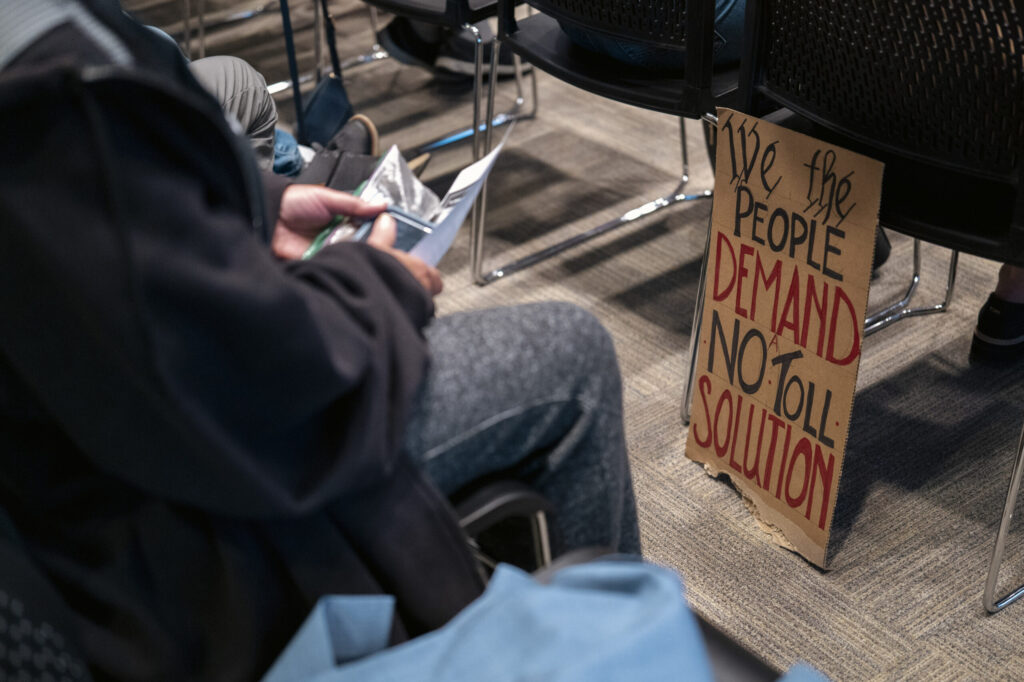
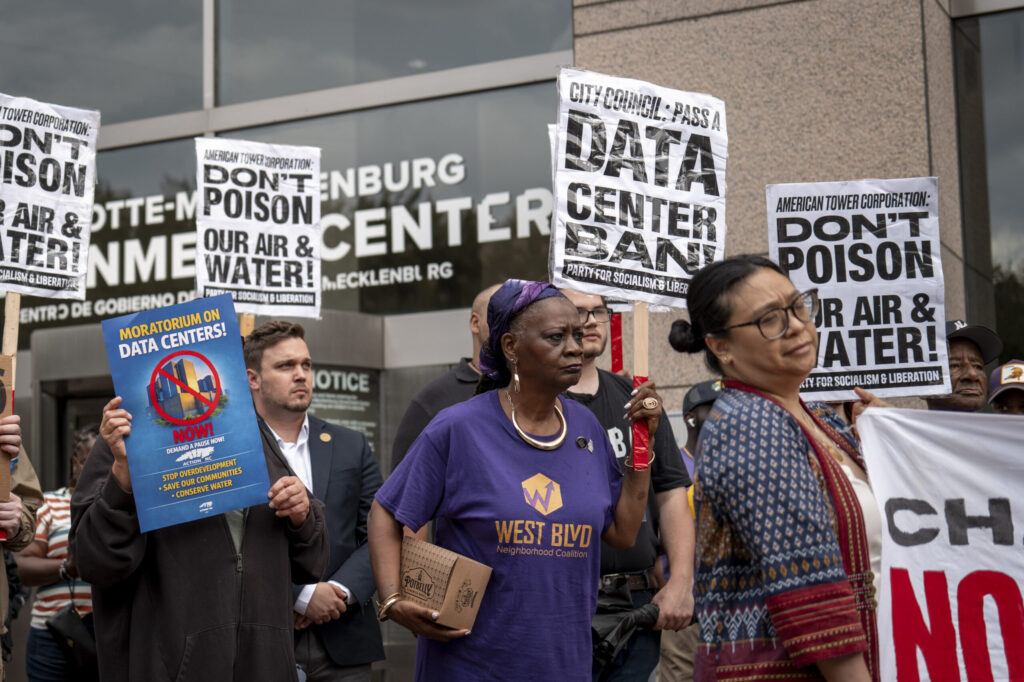
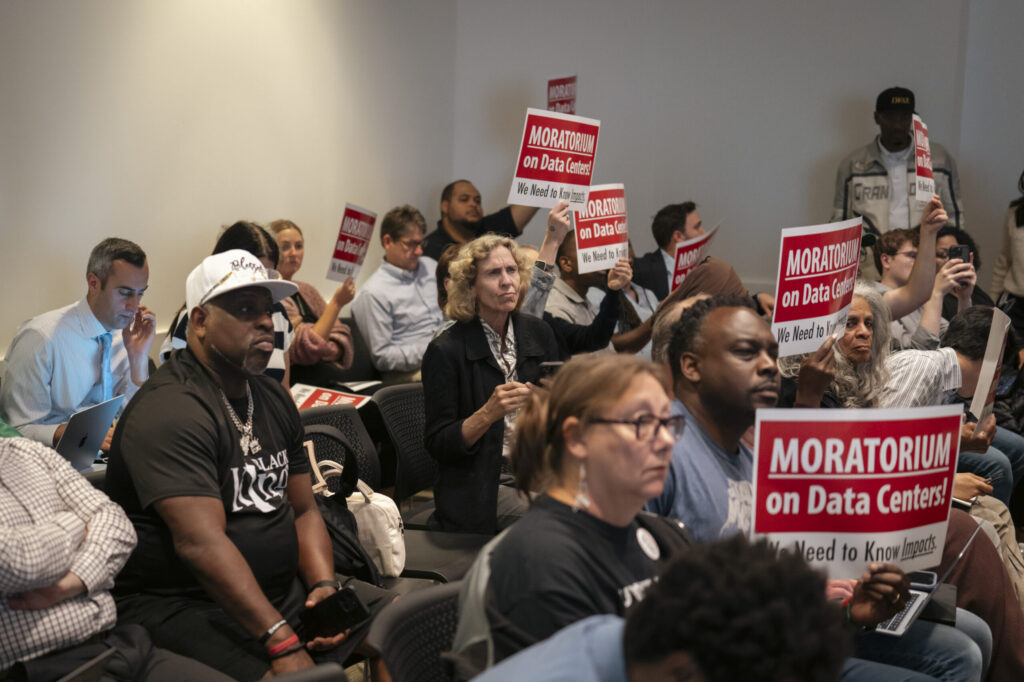
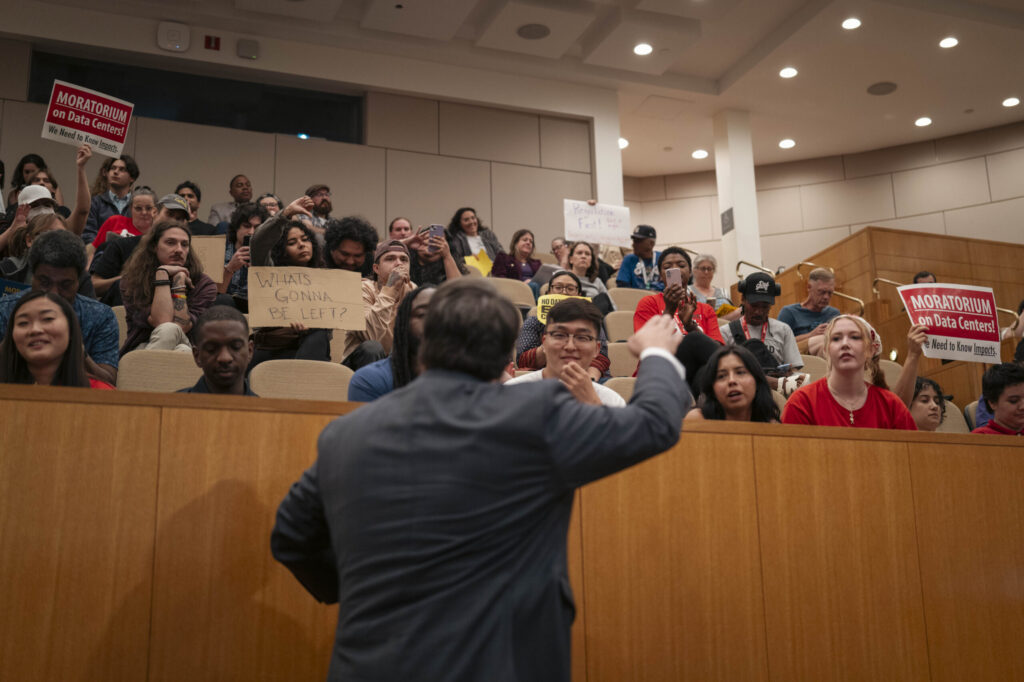
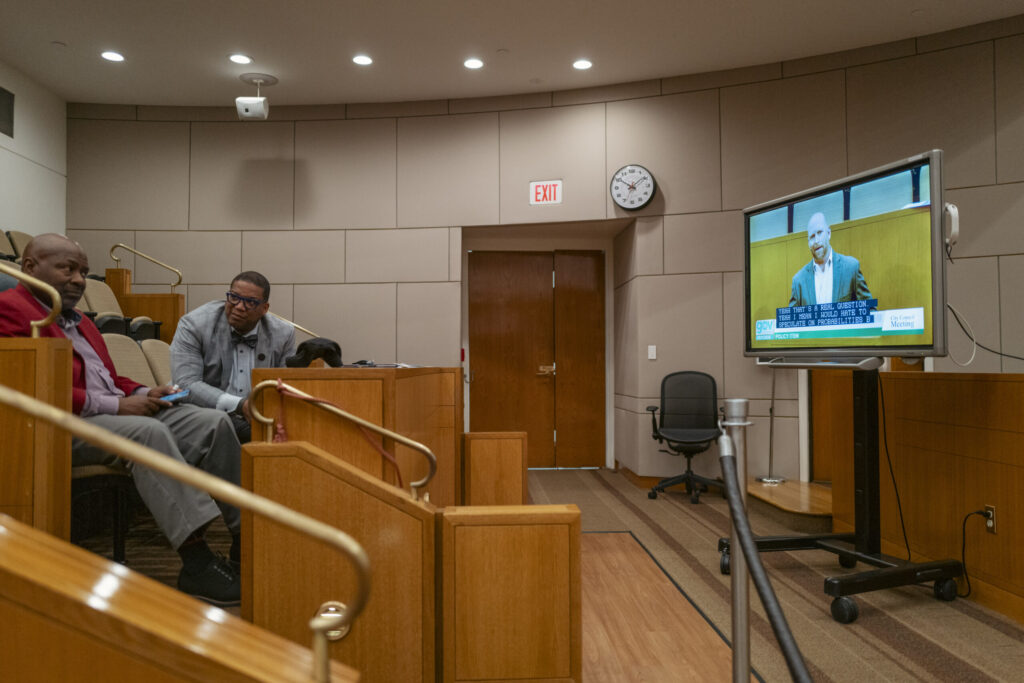
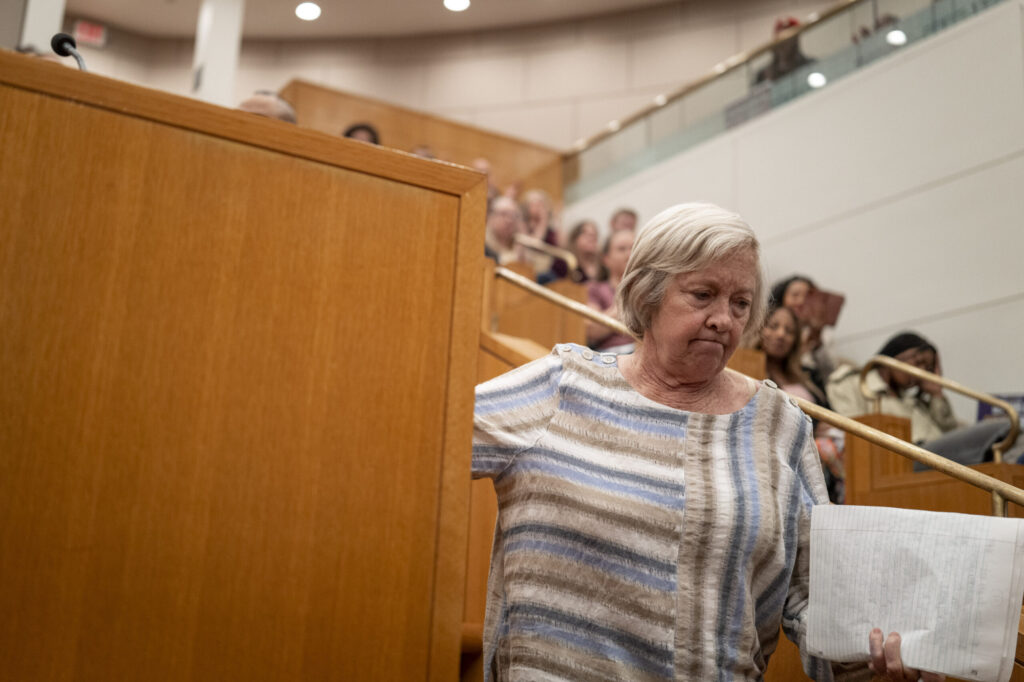
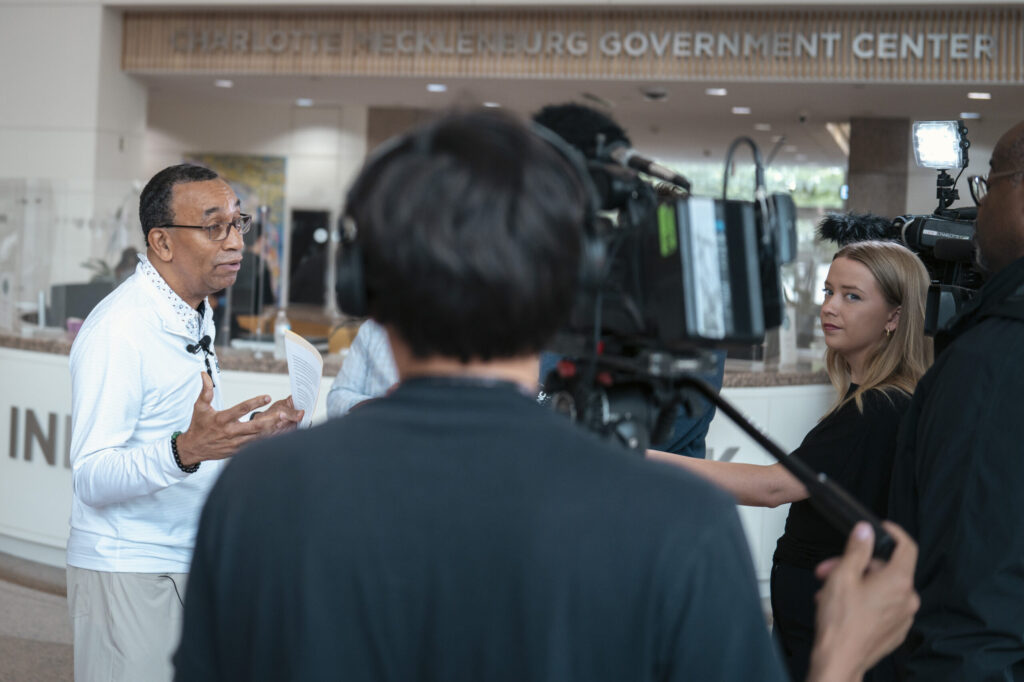
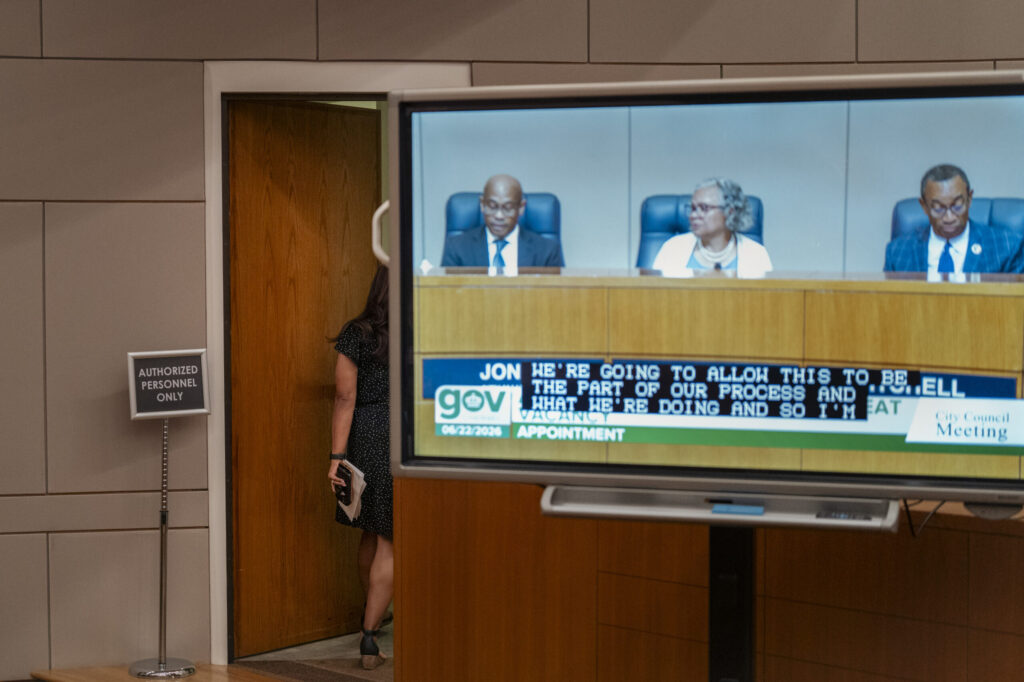
On multiple occasions, the chamber was filled to the gills, with overflow crowds watching on televisions in the lobby. Many wore red t-shirts that said they were part of a Party for Socialism and Liberation. Others wore suits. Others were city workers lobbying for better pay. Others came in firefighter T-shirts to lobby successfully for a 10% raise. Some public comments were pure performance for social media. But often a sincere voice would step to the mic, voice cracking, and deliver two minutes from the heart.
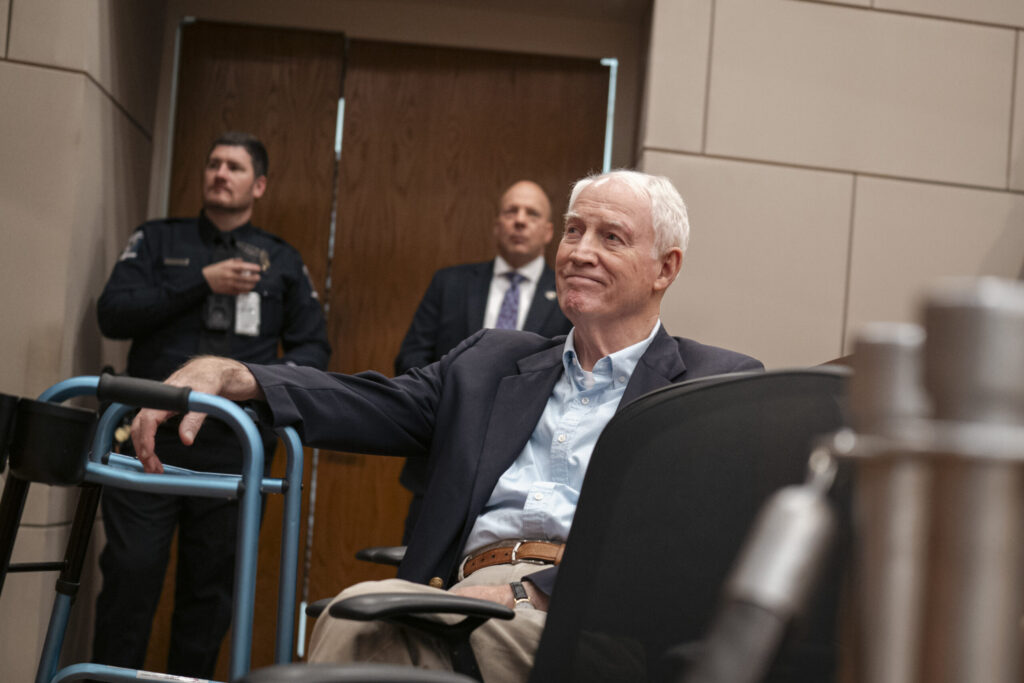
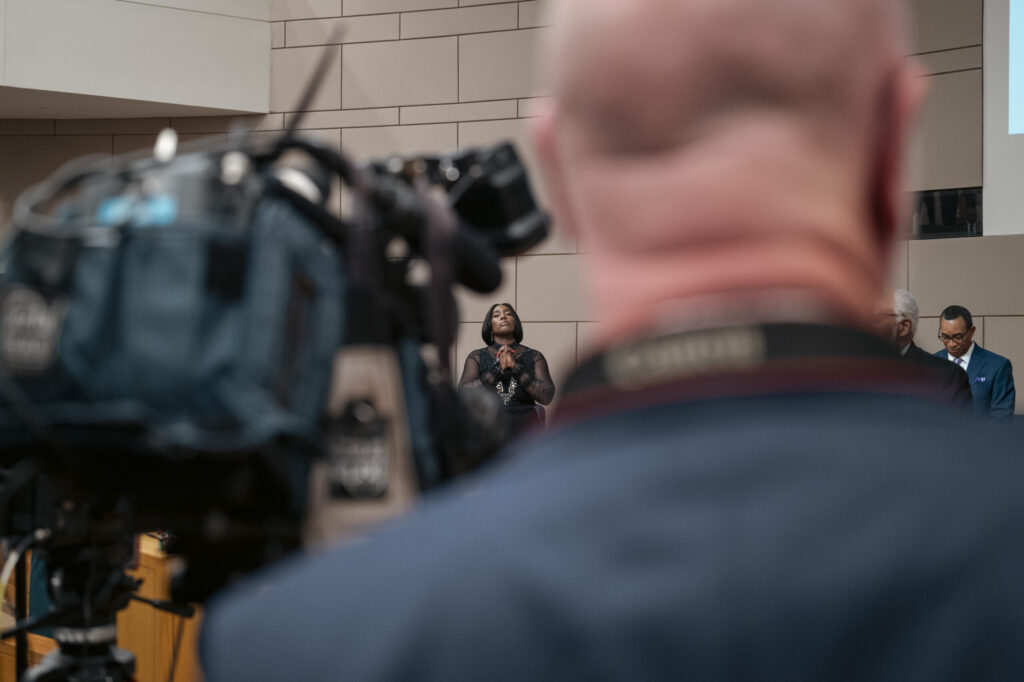
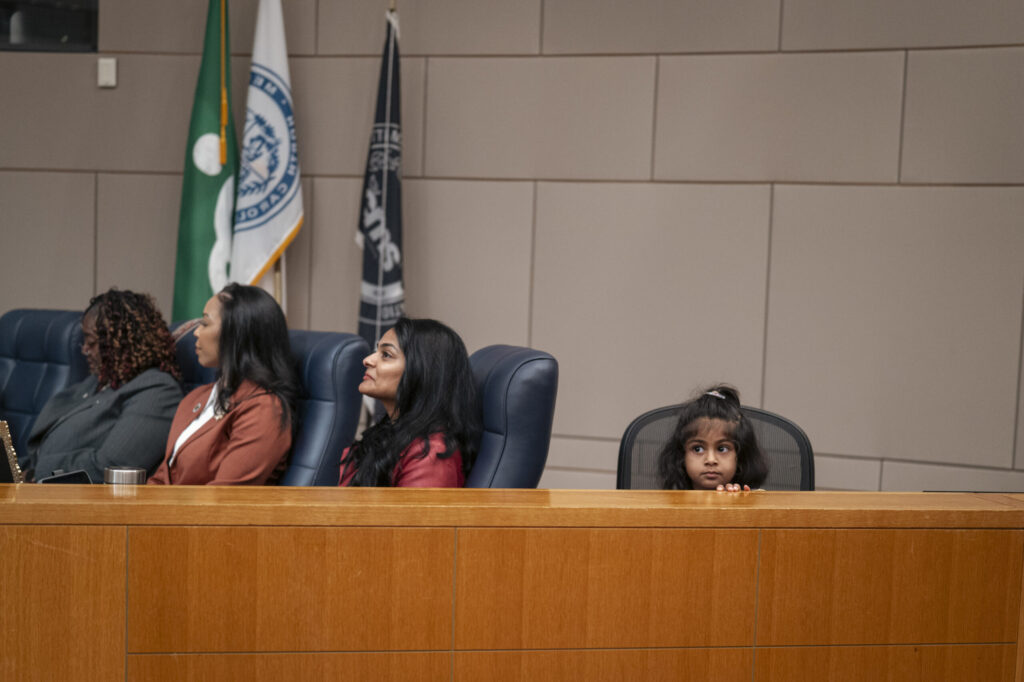
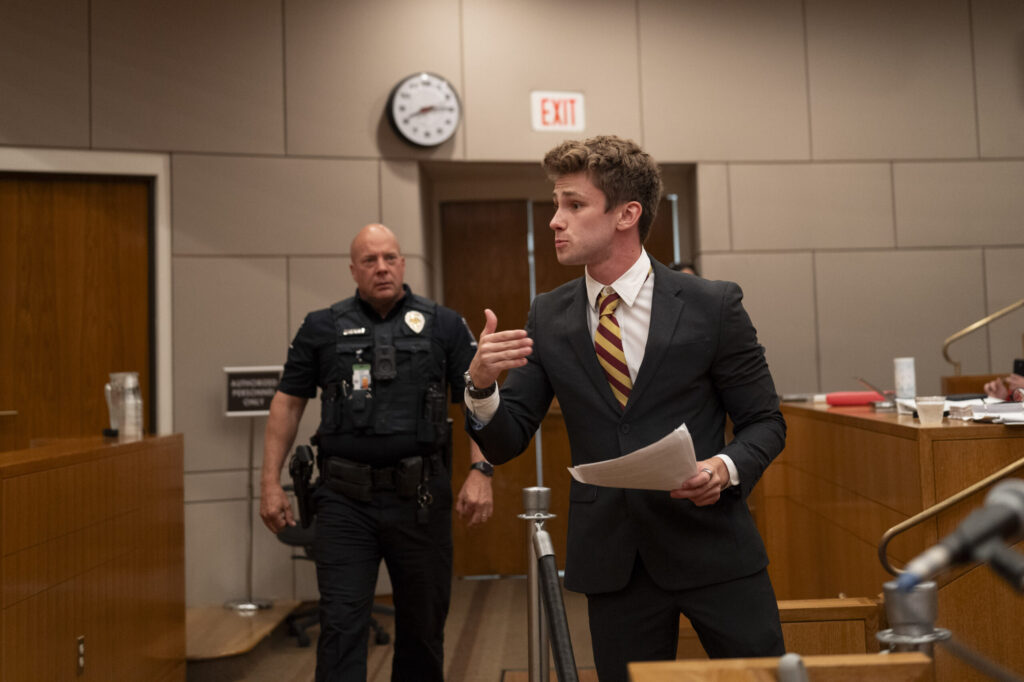
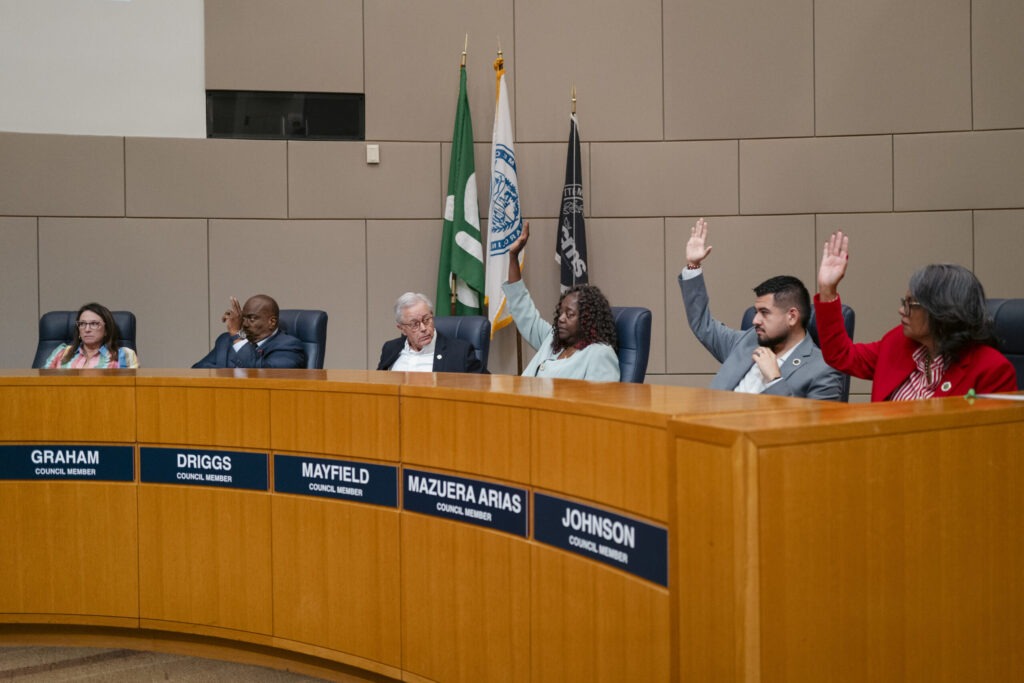
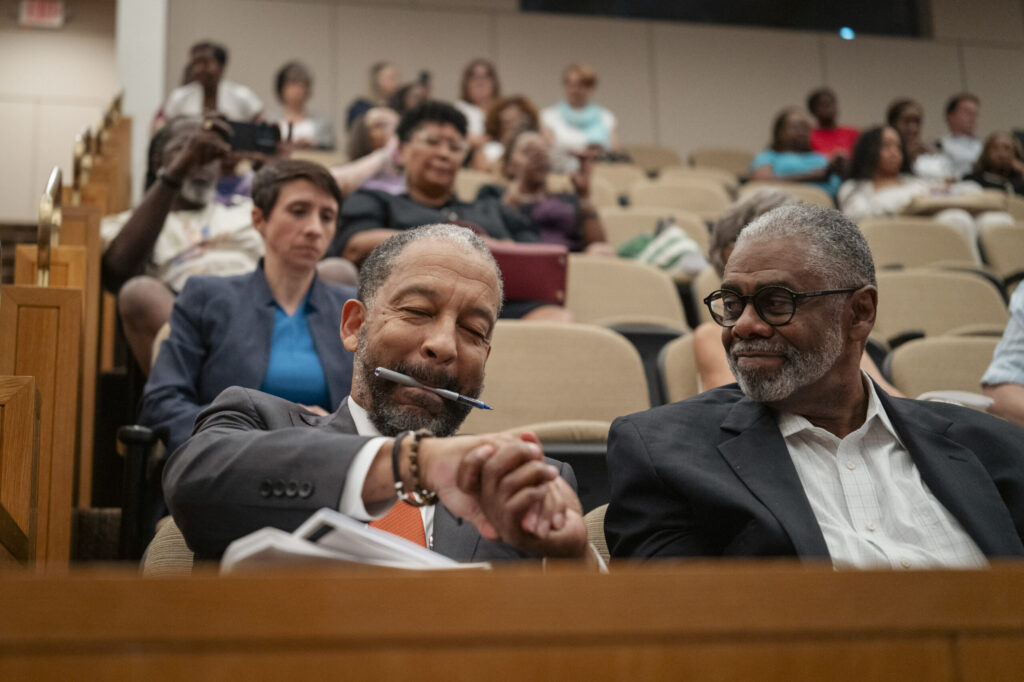
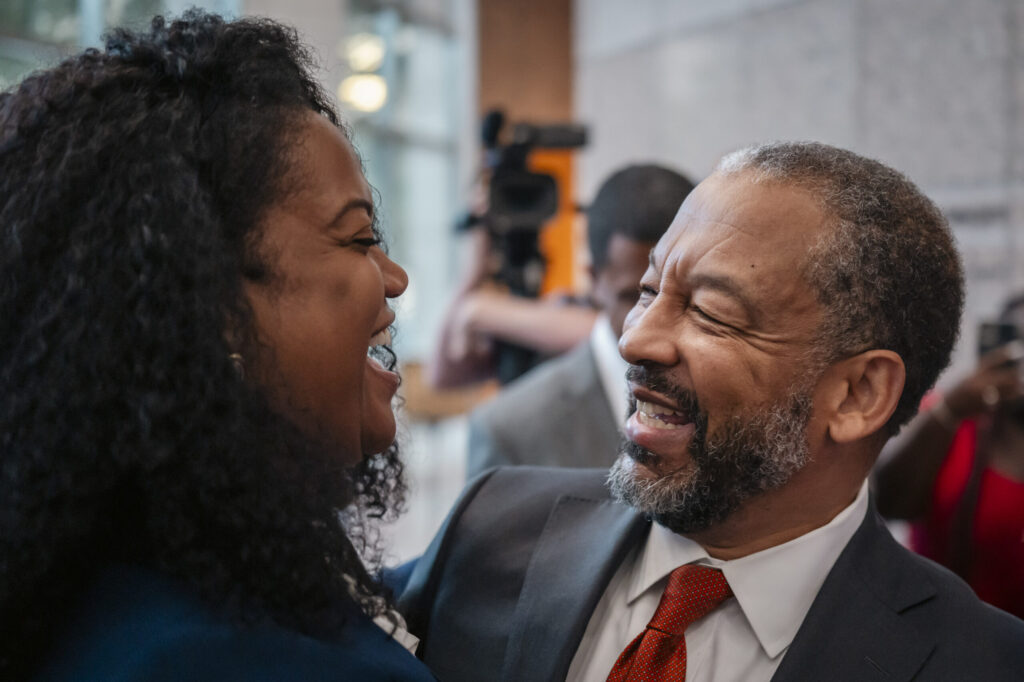
Logan, maneuvering quietly through the crowd, kept finding human moments. Looking through his images throughout the spring, I couldn’t help but think that some — like one of the vote on the I-77 rescission below, with Republican Ed Driggs looking around at his colleagues in shock, and Democrat Malcolm Graham holding a tenuous two fingers in the air as the deciding vote — should be archived and preserved as signature snapshots of this strange and defining season.
Put together, Logan’s images tell a story of these most significant six-plus months.
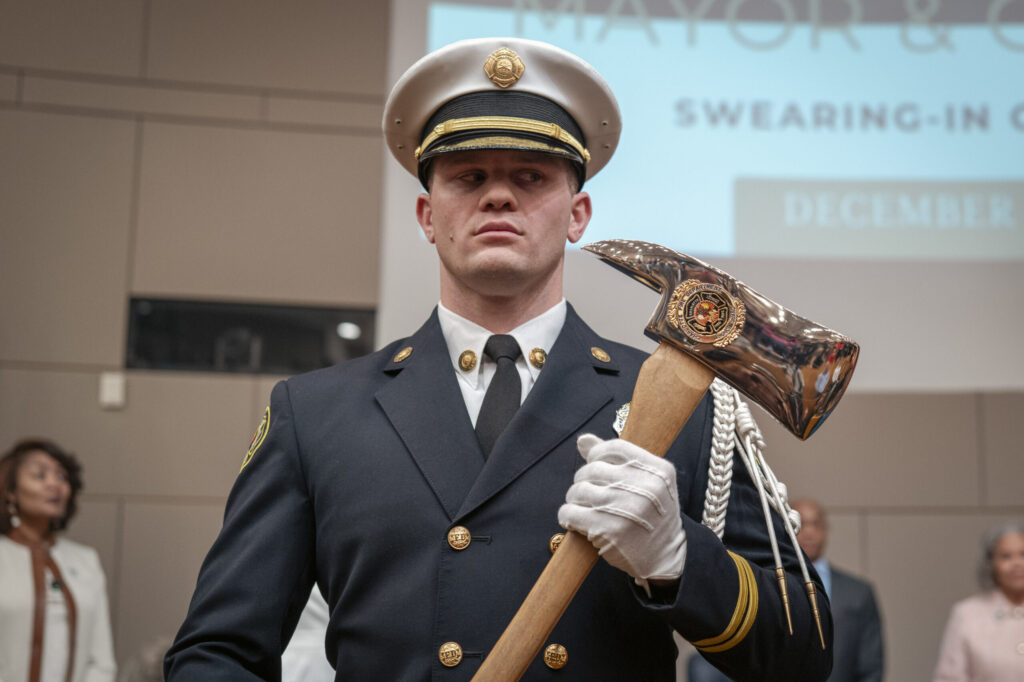
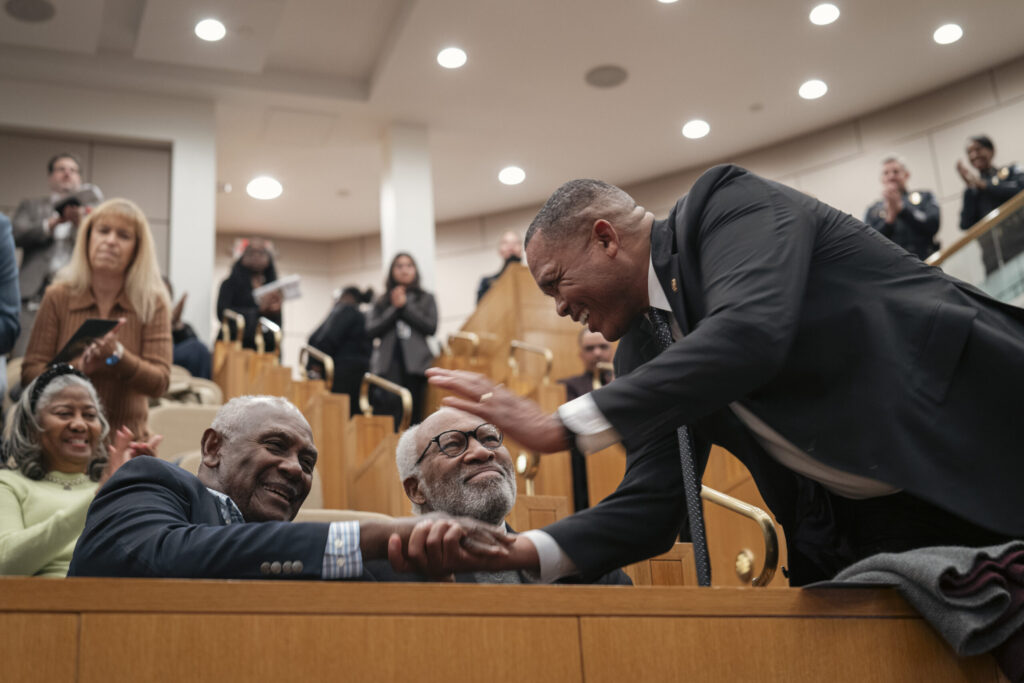
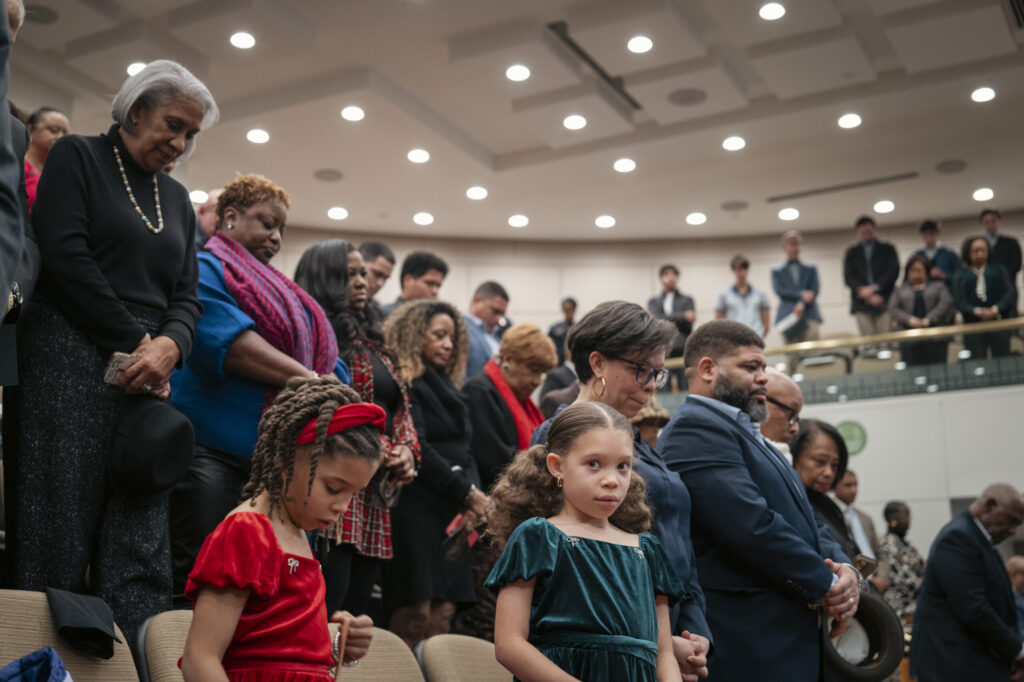
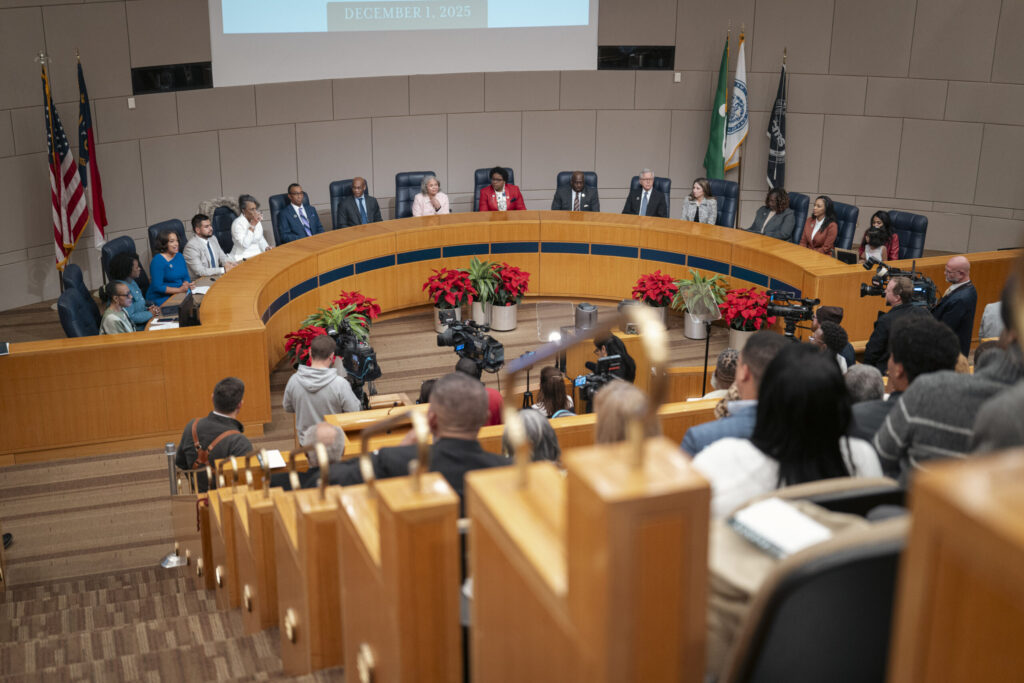
Swearing-in: A celebration of the past in future
City council had a turbulent 2025, facing fierce frustration after the killing of Iryna Zarutska on the light rail, and several other controversies, including: a settlement with retiring CMPD chief Johnny Jennings and the indictment of council member Tiawana Brown on federal fraud charges related to COVID-relief funds. Jennings concluded his 30 years of service in December, opening the door for new chief Estella Patterson. And Brown lost her re-election bid to Joi Mayo.
Mayo was one of three new council members sworn in on December 1, 2025, alongside Owens and Mazuera Arias.
Tolls, highways, and data centers … oh, my
The spring was marked by heated conversations and public forums on two contentious issues. NCDOT’s proposal to spend $4 billion in public and private money on toll lanes drew the most organized opposition to any project in recent memory. The original plans would’ve forced some people in the historically McCrorey Heights neighborhood out of their homes, raising concerns that Charlotte was repeating its history of putting pavement through Black neighborhoods. The state revised the plans to avoid displacing people in McCrorey Heights, but they couldn’t regain the public’s trust, and council rescinded support. A little more than a week later, the regional transportation authority pulled its support, too.
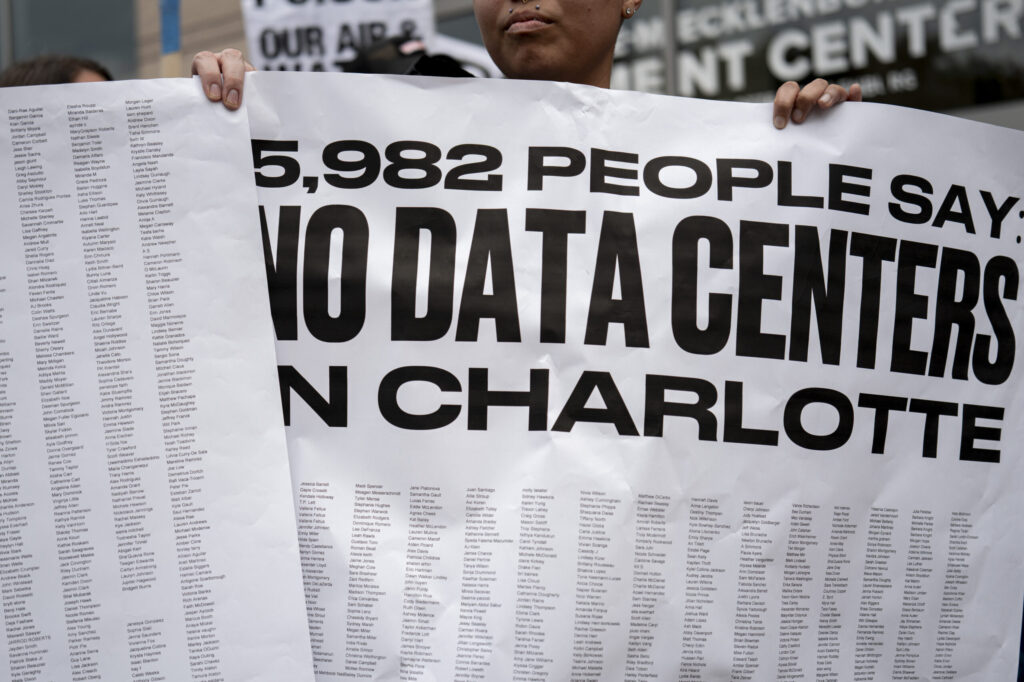
Meanwhile, Charlotte took up an issue that’s sweeping the nation: data centers. Several have already been built. Others are approved and planned in the city, including a 3 million square foot center off of Moores Chapel Road. The plans drew concerns from environmentalists and neighbors, while others defended data centers as necessary sources of tax revenue. Ultimately, council unanimously approved putting a 150-day moratorium on data centers.

From Vi to Rob: A mayoral transition
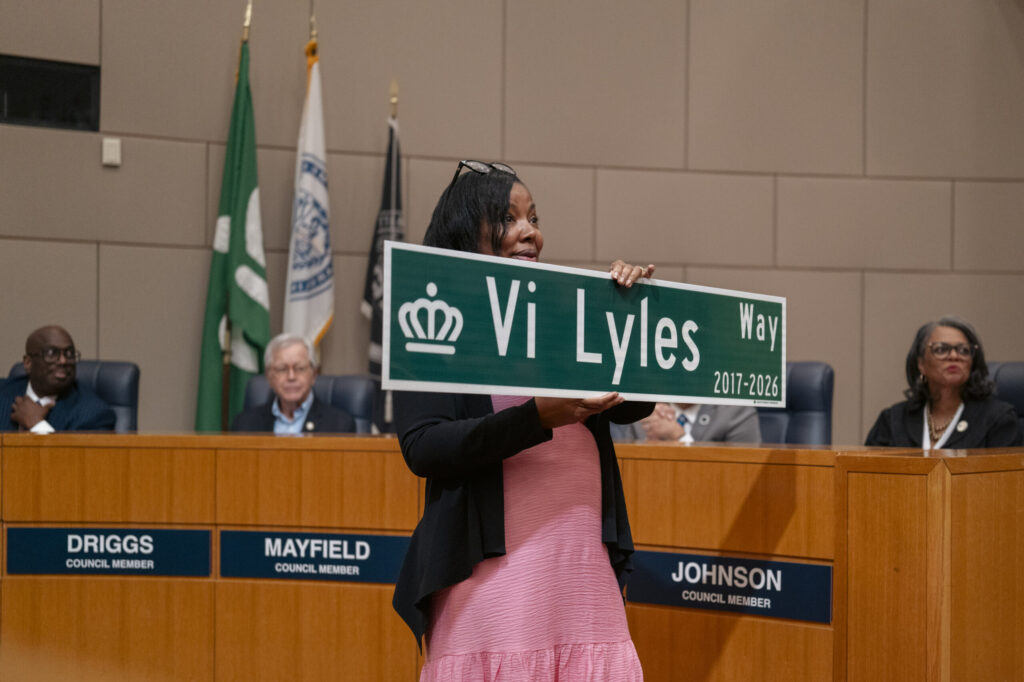
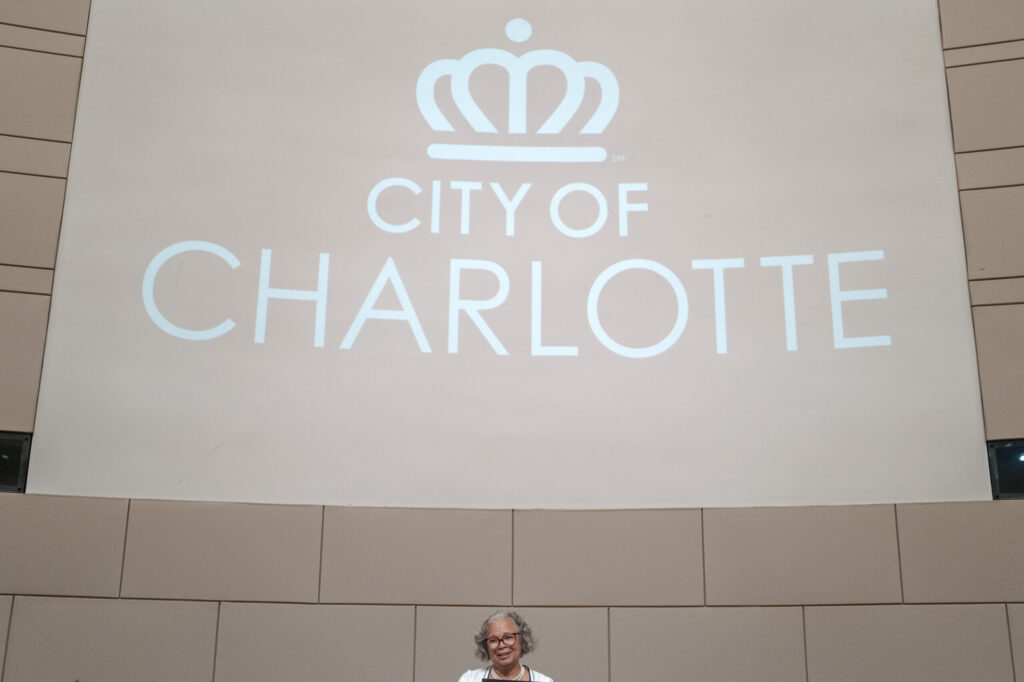
Lyles’ decision to resign was an earthquake of a news story on May 8, the same day as the opening round of the Truist Championship at Quail Hollow. Lyles said she wanted to spend more time with her family. She was Charlotte’s first Black woman mayor, and served for four-plus terms — more than any other mayor in city history not named Pat McCrory.
Council will take its regularly scheduled July recess before returning in August.
But … July could also be when people who intend to run for mayor in 2027 announce their candidacies.
More Optimist Coverage:
- How a Blue City Learned to Talk to Its Red State Legislature Again, June 2025
- The Quiet Power of Vi Lyles, July 2025
- Searching For Answers After a Killing on the Light Rail, September 2025
- Where Does Charlotte Go From Here? September 2025
- Vi Lyles and the Long Ride Home, May 2026
- Six Hands: The Night Charlotte Voted Against I-77, May 2026
- Long Walk Home For Charlotte, May 2026
- Estella Patterson Knows Who to Call, May 2026
- They Could’ve Chosen More Chaos. They Didn’t. June 2026